

Singing Matters: Song Ecologies from the Troubadours to the Global South
Marisa Galvez, Stanford University
Fri, 5/1 · 3:30 pm—5:00 pm · 010 East Pyne
Program in Medieval Studies; Eberhard L. Faber 1915 Memorial Fund in the Humanities Council; Department of French and Italian


Marisa Galvez, Professor of French and Italian at Stanford University, will present this year’s Medieval Studies Faber Lecture.
This lecture serves as the keynote for “Medieval Matters: Manuscript Culture and the Five Senses in the Middle Ages,” a full day roundtable which will bring together senior and junior faculty from leading East and West Coast institutions to present and discuss current research and methodologies in Old French studies.
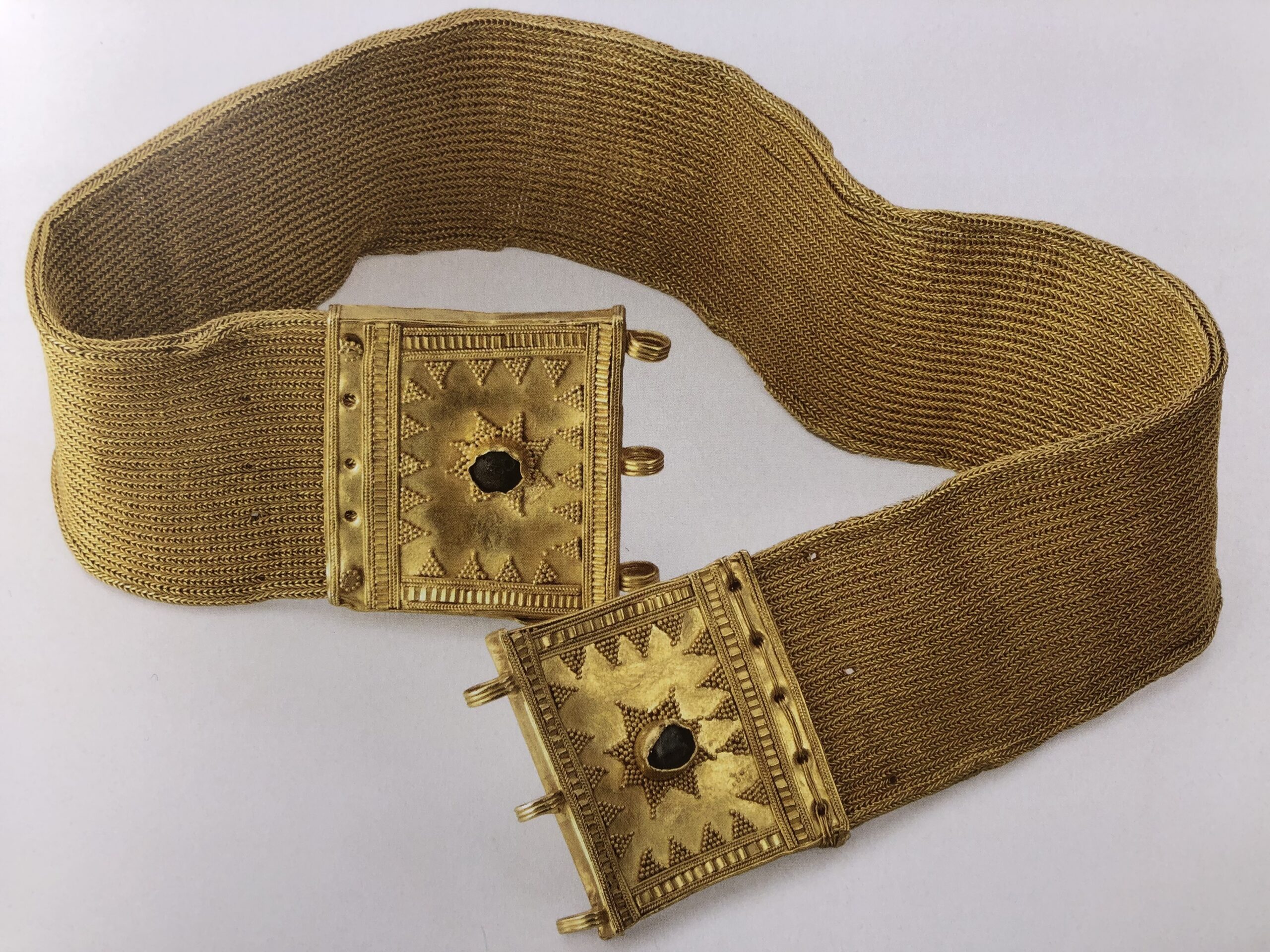
This lecture analyzes how multisensorial aspects of troubadour lyric can be transferred into various matters such as precolonial gold objects and contemporary sculpture, and thus aims to expand perspectives on song ecologies in medieval French and Occitan. Lyric—as song put to music, or words and sound together arranged into stanzas, meters, and rhymes—can be transferred into different media and historical situations through translation.
This approach to an expansive view of poetry is grounded in the work of contemporary translations of medieval lyric and can expand definitions of verse to global and indigenous song traditions. Writers and artists such as Édouard Glissant, Augusto de Campos, and Gérard Zuchetto and Jean-Luc Séverac anthologize and translate medieval poetry through an artisanal and sensual engagement with troubadour tropes such as entrebescar (interweaving) and compas (musical and metrical aligment). Their translations converge with the animism of Global South song, whereby lyric selves are envoiced in a ritual manner that includes various persons – nonhumans, supernatural beings, and objects such as gold belts.
Ultimately these modern artists and writers enable us to see how lyric moves through various human and nonhuman selves and materials such as precolonial Philippine Gold as we recognize how lyric transference occurs in both medieval poetry and indigenous song in a conversant song ecology that maintains the distinctiveness and historical situation of both. Their translations of entrebescar and compas results in events of what I call “unthought medievalism” that enable the past to sing in the present in vital new ways.
A reception to follow the lecture. This event is free and open to the public.
Presented by the Program in Medieval Studies with support from the Eberhard L. Faber 1915 Memorial Fund in the Humanities Council. Co-sponsored by the Department of French and Italian.